Where Patient Education Breaks Down in Breast Cancer Care
When education is incomplete, patients don’t just feel uninformed; they feel dismissed.
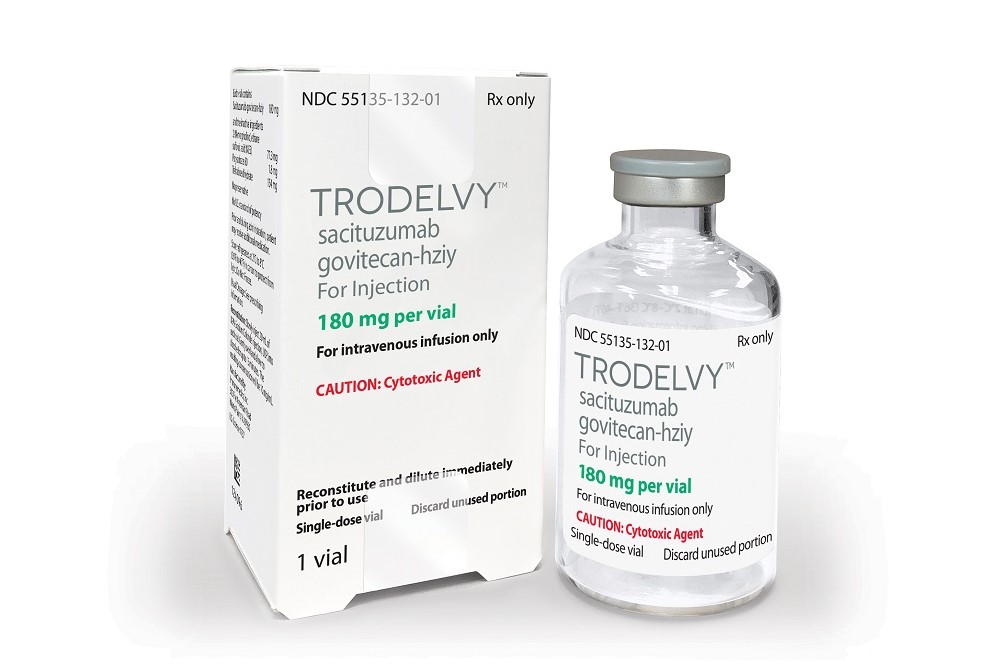
Gilead Sciences antibody drug conjugate Trodelvy is now approved as a first-line treatment for triple-negative breast cancer. This expanded approval for Trodelvy comes with a slightly broader label that gives it an edge over the AstraZeneca and Daiichi Sankyo ADC Datroway.
Ona Therapeutics’ antibody drug conjugates come from a platform technology that discovers novel antigens intended to enable the therapies to overcome drug resistance. The Spain-based startup’s lead ADC is on track to begin clinical testing in breast cancer.
As breast cancer treatment continues to improve, our focus must expand beyond survival to encompass the quality of life during and after treatment.
Datroway landed its third FDA approval in the past 18 months, this time as a treatment for triple negative breast cancer. The antibody drug conjugate was developed under a broad collaboration between Daiichi Sankyo and AstraZeneca.
Gilead Sciences exercised its option to license a Kymera Therapeutics’ protein-degrading drug designed to eliminate the cancer-driving protein CDK2. Meanwhile, Roche’s new partnership with C4 Therapeutics is focused on developing degrader antibody drug conjugates for undisclosed cancer targets.
Novartis already markets the PI3Kα inhibitor Piqray for breast cancer, but acquiring a Synnovation Therapeutics subsidiary brings an early clinical program that the pharma company claims could be best in the class of next-generation therapies for the target. Competitors include Eli Lilly, Relay Therapeutics, and OnKure Therapeutics.
FDA approval for Enhertu as a first-line breast cancer treatment is important because many patients with HER2-positive cancer do not live long enough to receive a second line of therapy. In Enhertu’s pivotal study in this setting, the HER2-targeting ADC helped patients live more than three years without disease progression or death.
Hackensack Meridian Health launched a clinical trial with Israeli startup SpotitEarly, which is developing a cancer test that combines AI with trained dogs to analyze patients’ breath. The study aims to validate this noninvasive approach alongside traditional screenings, potentially enabling earlier and more accessible cancer detection.
If we truly believe in treating the whole patient, we must recognize that survival is not the only measure of success. Preserving a woman’s sense of self, her dignity, her identity, her autonomy is just as essential.
Bristol Myers Squibb’s partnership with BioNTech makes it the third big pharma company to strike a deal to gain access to a PD-L1/PD-1 and VEGF bispecific antibody with potential use in drug combinations to treat cancer. The deal calls for the two companies to share in the development of BioNTech’s drug and co-commercialize the asset globally.
The women’s health market offers enormous potential for investment and innovation. While challenges related to systemic inequalities remain, progress in venture capital funding is encouraging. Likewise, the overall increase in patent filings related to breast cancer, endometriosis, and other conditions appears to reflect a growing interest in women’s health.
Enhertu is currently approved as a second-line treatment for HER2-positive metastatic breast cancer. The new results for the AstraZeneca and Daiichi Sankyo drug in the first-line setting are important because many patients do not live long enough to receive a second-line cancer therapy.
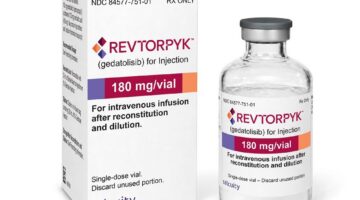
AstraZeneca’s Datroway, an antibody drug conjugate (ADC), is now FDA approved for advanced cases of breast cancer that is HR positive and HER2 negative. Datroway targets TROP2, the same cancer protein addressed by Trodelvy, a Gilead Sciences ADC also approved for breast cancer.
Our goal should be to make lymphedema a preventable aspect of cancer survivorship or at a minimum, manageable, rather than a debilitating aftereffect that diminishes patients' quality of life.